Teachers are well aware of the importance of creating an engaging classroom environment for their students, that is colourful and stimulating, but did you know that it’s equally as important to ensure a child’s home environment is also catered to learning? I have teamed up with an independent college in London to offer some advice on how you can make this happen, even if you’re on a budget or have limited space.

You will need to start by thinking about your child’s unique learning style and their personal interests, rather than hopping on Pinterest for generic inspiration. If your child is drawn to books and uses coloured pens to study, they are probably a visual learner. If they read aloud and prefer audiobooks to reading, they are likely an auditory learner. If they prefer hands-on activities that involve movement and touch, they are probably a kinaesthetic learner. Understanding the type of learner your child is will help you invest in the most appropriate tools and equipment to help them absorb information.
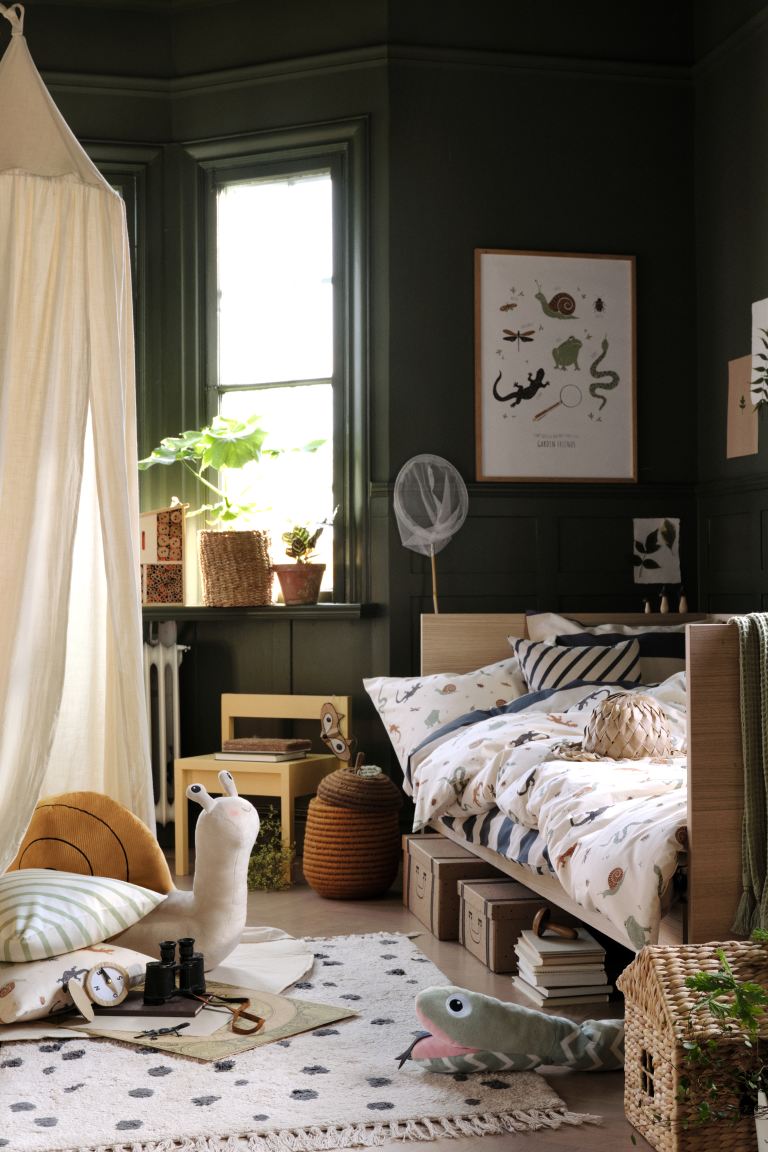
Try and ensure that your child has a dedicated study space, even if it’s just one corner of a room with foldable chairs rather than an entire study. This will show your child that you value their education enough to devote an entire portion of your home to their learning. This space should be tidy and free from distractions like toys or technology, because your child will struggle to concentrate if they are surrounded by things they’d rather be doing.

If your child is a visual leaner, pin up some pictures and posters, like the alphabet, a world map, times tables or the table of elements. These posters should be colourful and inspiring. If they’re an auditory learner, perhaps install some speakers so that they can listen to podcasts, audiobooks or nursery rhymes if they’re younger. Finally, if they’re a kinaesthetic learner, make sure there’s lots of equipment that they can hold and allow them to move around.

Bear in mind that a learning environment doesn’t just refer to how you decorate or fill the space, it’s also about your attitude as a family. It’s important to talk about education in a positive way, even if you hated school as a child. Make sure there are strict rules in place and be a good role model so that your child learns to be respectful and kind.
 Quick DIY advent calendar, win £20 voucher & more
 Bedroom Decorating Trends You’ll Be Seeing Everywhere in 2026
 Interior design tips for a minimalist home


Leave a Reply