It’s common to hear avid gardeners talk about how good they feel when they’re outside with their hands in the dirt. There’s more than just ample anecdotal evidence to back up the idea that gardening improves psychological well-being, though. Researchers have uncovered multiple forms of scientific evidence that show gardening truly does make people happier. Read on to find out how.
Sentimental Attachment
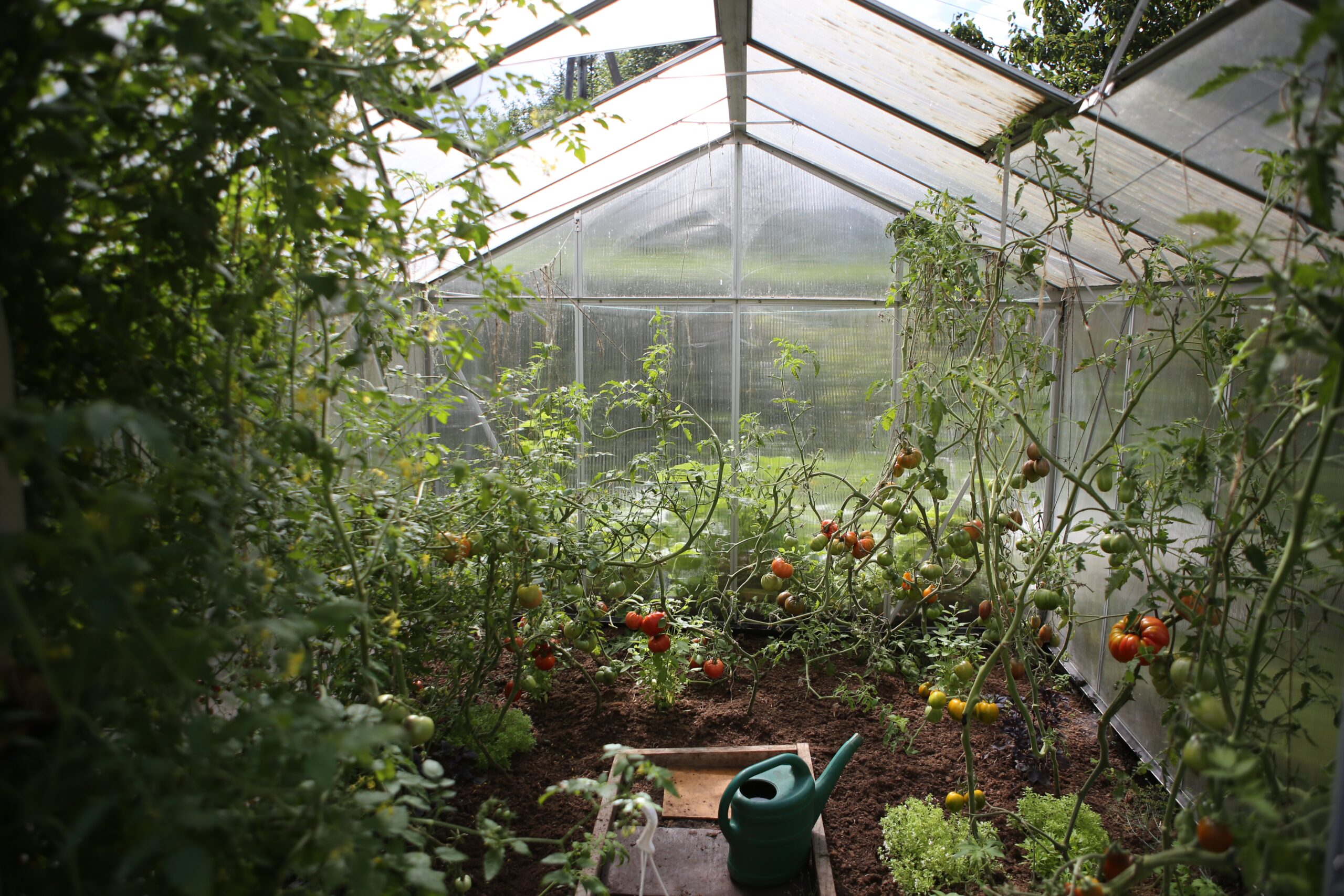
The most obvious reason that people enjoy gardening so much is that spending time in the yard and putting the work in to keep plants looking their best helps gardeners form a sentimental attachment to the landscape. It’s relevant to note here that while people derive great enjoyment and meaning from caring for things other than themselves, it’s also fine to work with Tree Restoration Services to tackle serious diseases and pests that could otherwise spread throughout the landscape. Balance the desire to take a DIY approach against making sure those trees and shrubs stay just as healthy as the annual veggie garden for best results.
 Contact With Soil Microbes
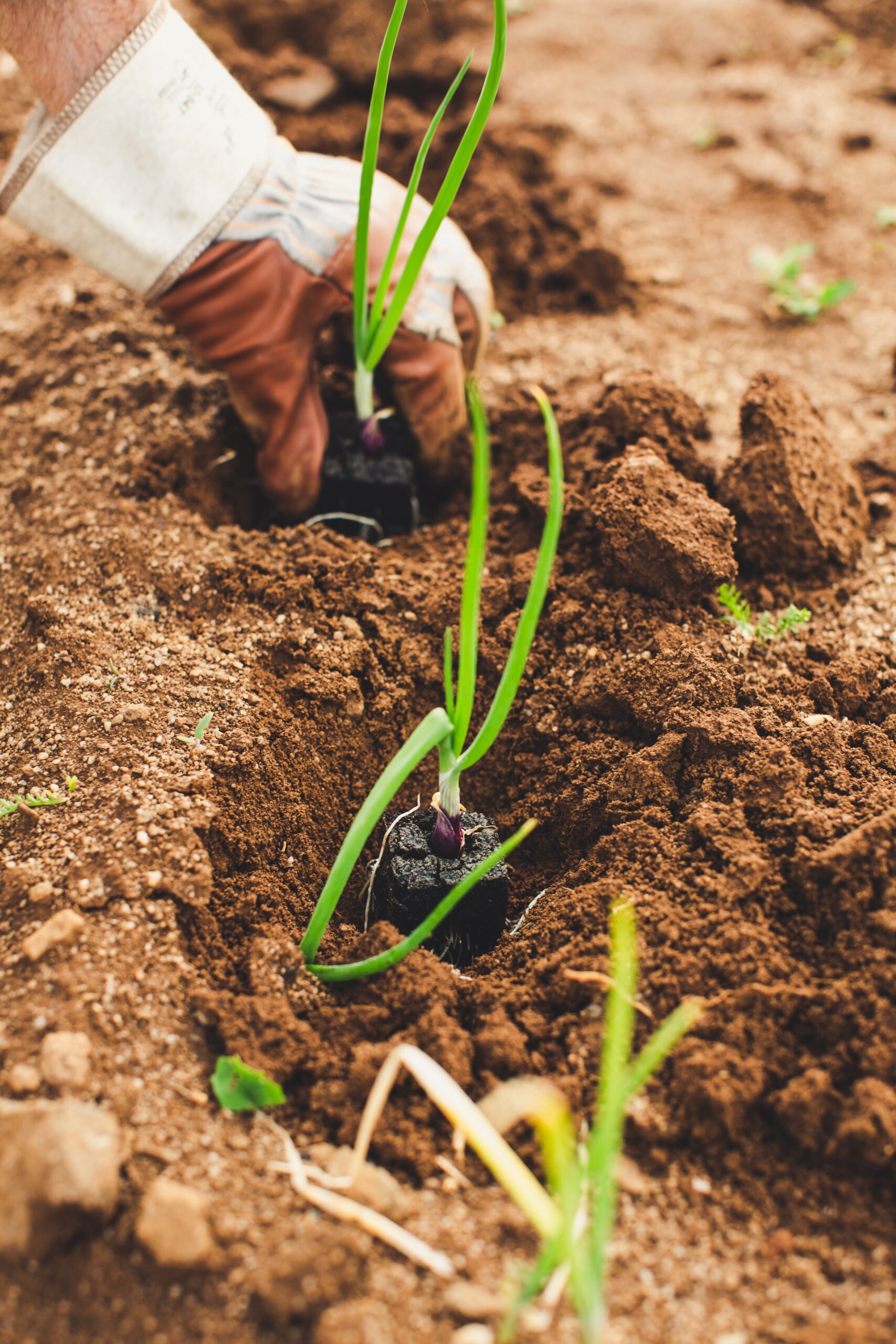
While sentimental attachment explains an interesting psychological phenomenon attached to gardening, it’s a soft science. Now, there’s also hard proof that getting those hands dirty can benefit a gardener’s mood. It turns out, there are natural antidepressants in the soil that mirror the effects of drugs like Prozac.
The beneficial microbes are called mycobacterium vaccae. Contact with them can stimulate serotonin production, making gardeners feel happier and more relaxed. That said, it’s also relevant to note that some of the microbiota in the soil can spread disease, so relaxing in the garden is a task best enjoyed in moderation.
Nature Therapy
In Japan, people have been heading out to the forest to ease stress, relax, and improve concentration for centuries. These days, they refer to the process as shinrin-yoku or forest bathing. Now, Western therapists are starting to catch on. Many now recommend what’s known as nature therapy to clients before even trying out pharmaceutical interventions.
Not everyone has easy access to true wilderness, but thankfully, it’s not necessary. Just heading out into a landscaped yard and spending some time with nature can help increase happiness and induce a sense of calm.
Gardening for City-Dwellers
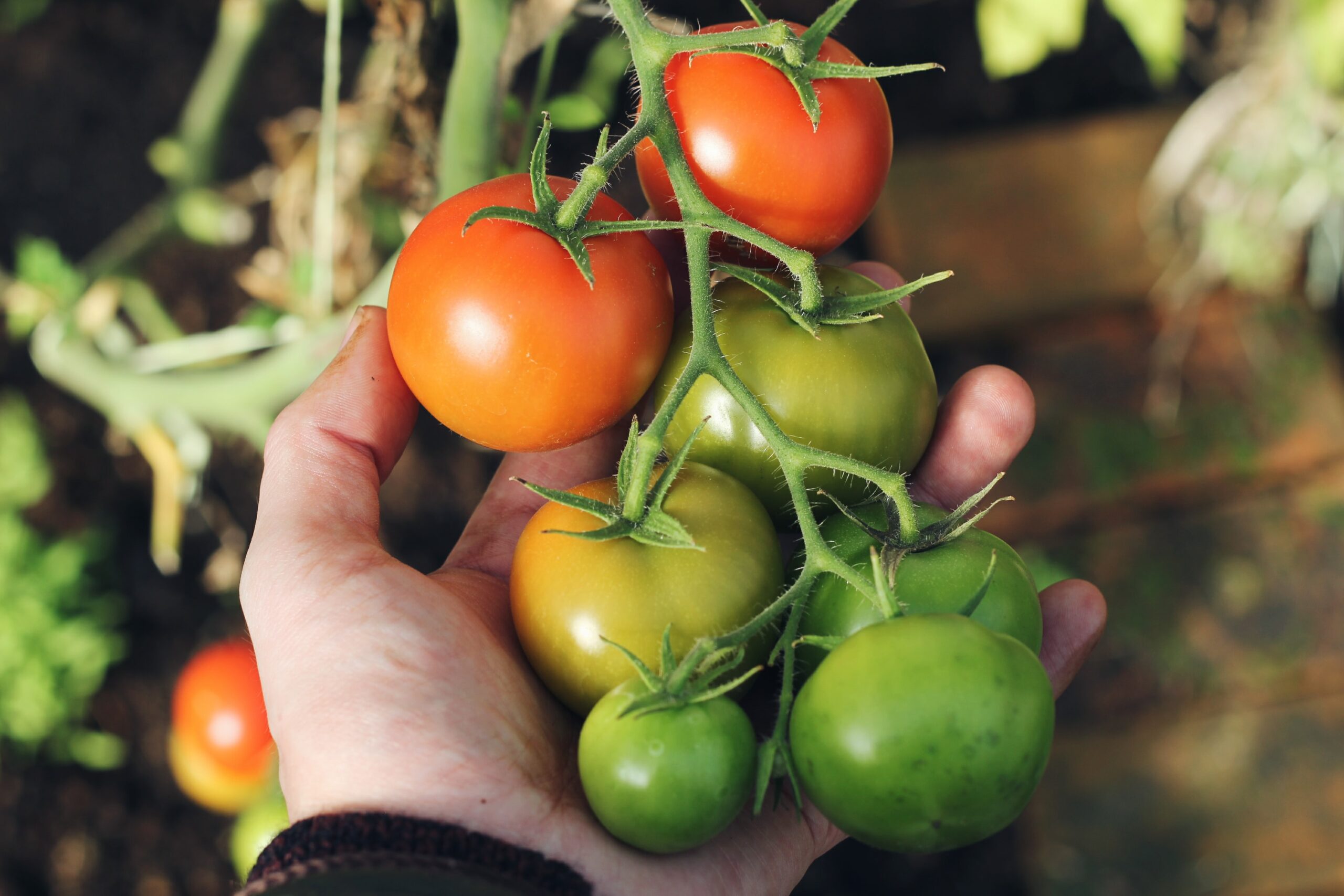
Don’t have access to a forest, park, or even a large backyard? Try container gardening instead. Most annual plants, and even perennials like trees and shrubs, can grow in large containers as long as they get enough sun, water, and nutrients. That small connection to nature can still make a large difference when it comes to gardeners’ sense of well being.
Those who want to take advantage of the scientific benefits of gardening should make sure to keep things organic. The chemicals found in conventional fertilizers, herbicides, and pesticides all interfere with the soil’s natural microbiome. In other words, they get rid of not just weeds and diseases but also the beneficial mycobacterium responsible for inducing serotonin production.
The Bottom Line
People have known for millennia that spending time in nature has a calming effect. However, it wasn’t until recently that there was scientific evidence explaining why gardeners find so much enjoyment and calm in getting their hands dirty. In light of that new evidence, Americans and other Westerners can certainly benefit from a bit of forest bathing and some improvements to their backyard landscapes.
 Winter bedroom makeover on budget!
 8 Things You Didn’t Know About Airport Carparking
 Top 3 Benefits Of Wearing Travel Vest On Vacation


Leave a Reply