There are all kinds of reasons to love having art in your home. On an emotional level, it should bring you joy. On a practical level, it can be a very economical way to decorate a home. If you get really serious about it, it can even be an investment. Of course, if you want to make the most of art, you need to use it effectively. Here are some tips to help to how to use artwork effectively.
Remember, art is whatever you say it is
It’s your home, it’s your rules, at least as far as taste goes. If you’re renting, then your landlord sets the rules about drilling into walls. Their rule may well be that it’s not allowed. This may cramp your style a little bit. Overall, however, it shouldn’t be a huge issue. There are plenty of renter-friendly solutions like adhesive hooks and they can hold quite a bit of weight.
You can make art out of anything you own or anything you’re comfortable buying. For example, magazines, books and records can all be turned into art. So can old calendars, wrapping paper and wallpaper. If you have or can add shelves or light boxes then other decor items can become art. You could even make an argument that plants could become art.
If you’re artistic, you can make your own art. Even if you’re not, you could still have a go. If you like the result, just call it abstract. Similarly, if you’re good at photography, your photos can become art. Alternatively, there are countless posters, prints and original works available for free and to buy at all kinds of prices.
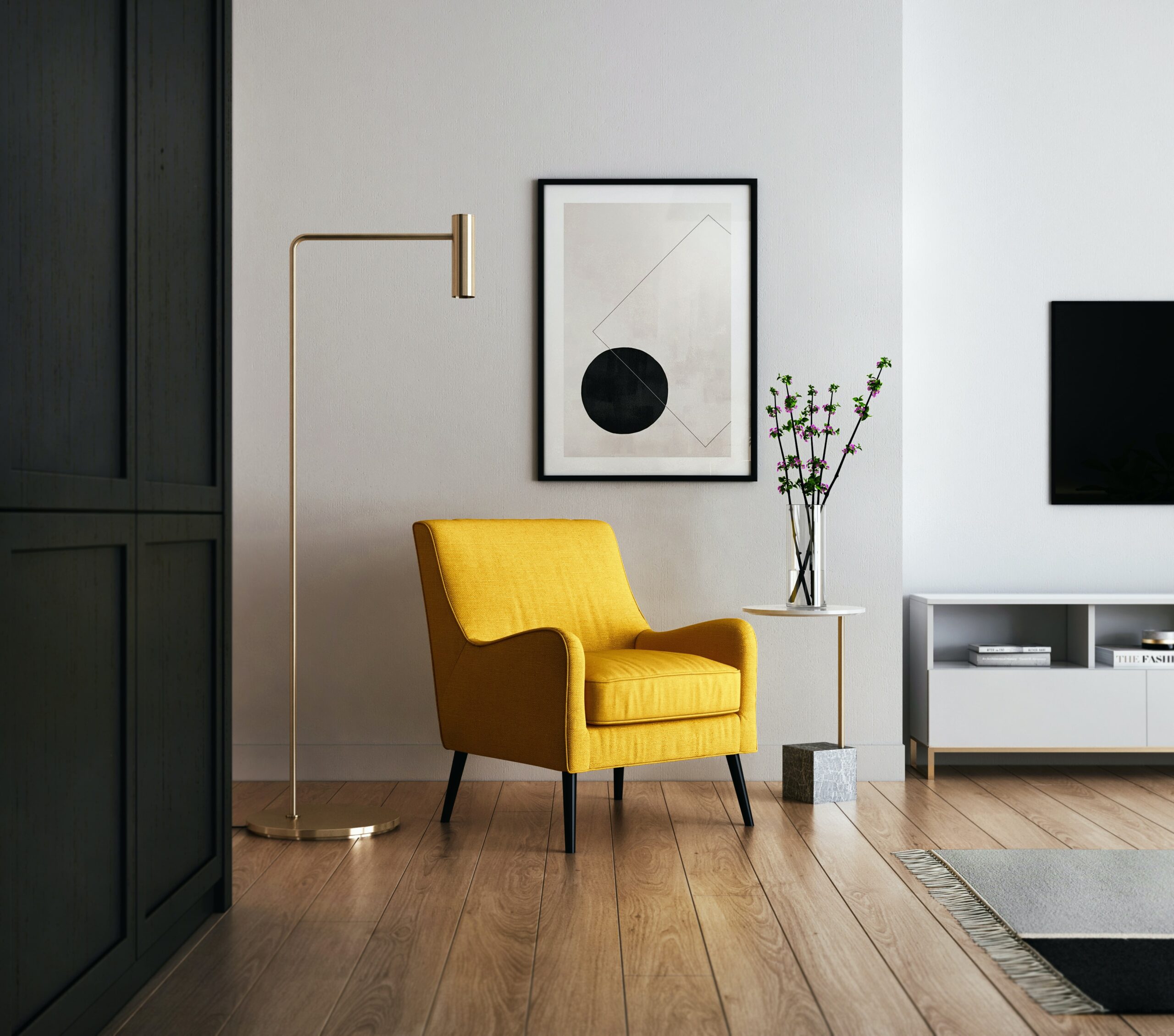
Choose your art to suit your space
While there are no rules, a solid guideline is to display art that combines what you enjoy with what suits the space where you’re displaying it. In general, it’s easiest to go with the vibe of the space. For example, if you’re in a modern building, go for art and frames with a modern style and vice versa. That said, you can use opposing styles to great effect. It does, however, often take a lot more work to pull it off.
Ideally, your art should also work with what’s in the room. If you’ve used neutral colours for your walls and key furniture pieces, this is unlikely to be an issue. If, however, you have a strong theme going on in the room (whether it’s your choice or your landlord’s), then, again, it’s generally easier to work with it than to try to fight it.
Another key consideration is the size of the space. If it’s large, you have a couple of options for filling it. The first is to look for a small number of large, statement pieces. The second is to use a cluster of smaller pieces. The first option can work out (a lot) more expensive but the cost may be justified by the impact. The second is often more economical but may not be as impactful.
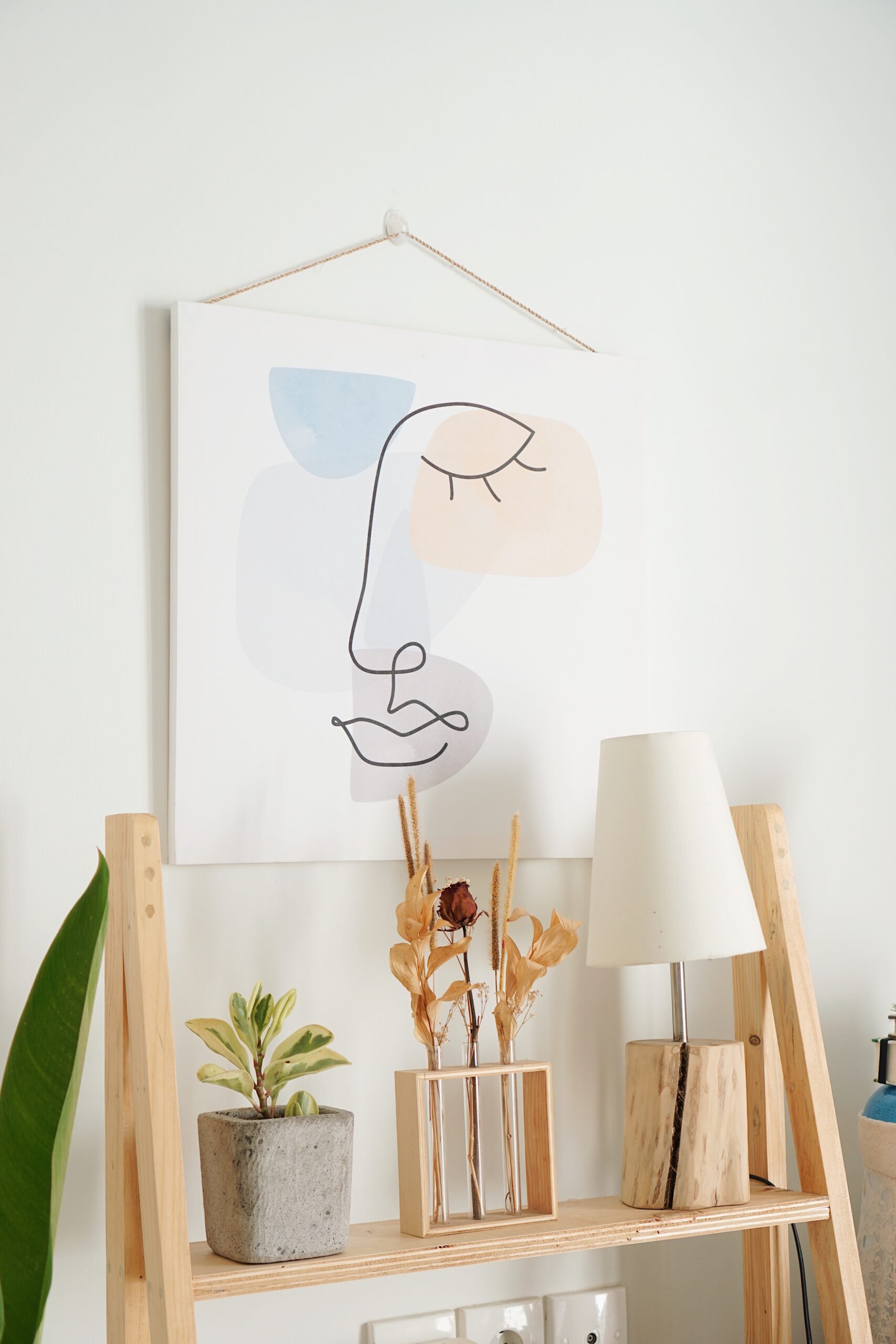
Think about the practicalities of buying statement art
Regardless of whether you’re buying original work or prints, think about the practicalities of getting mounted and/or framed art to your home. If you’re buying unframed art e.g. posters think about whether you wanted it mounted and/or framed. If you do, then, again, think about the practicalities of getting your art to and from the framer’s premises.
Last but definitely not least, think about what you will do with the art when you move. Pieces that look great in one space may not work in another. Even if they do, there might not be room for them. Even if there is, you might not want the hassle or cost of moving them. You could sell them but you should be prepared to sell them for less than you paid for them.
For clarity, none of this is to say that buying statement art is a bad idea. It’s just to highlight that it’s really important to think before you spend your money. If you plan to be in a space for a long time, then it may be worth buying statement pieces for the pleasure they give you while you’re there.
If you’re not, however, or you’re not sure, then a collection of small pieces may be a safer option. It could also give you the option to create a more personal display. Your mobile phone photos are unlikely to work well at a really large size but they could look great at anything up to A4 (letter) size.
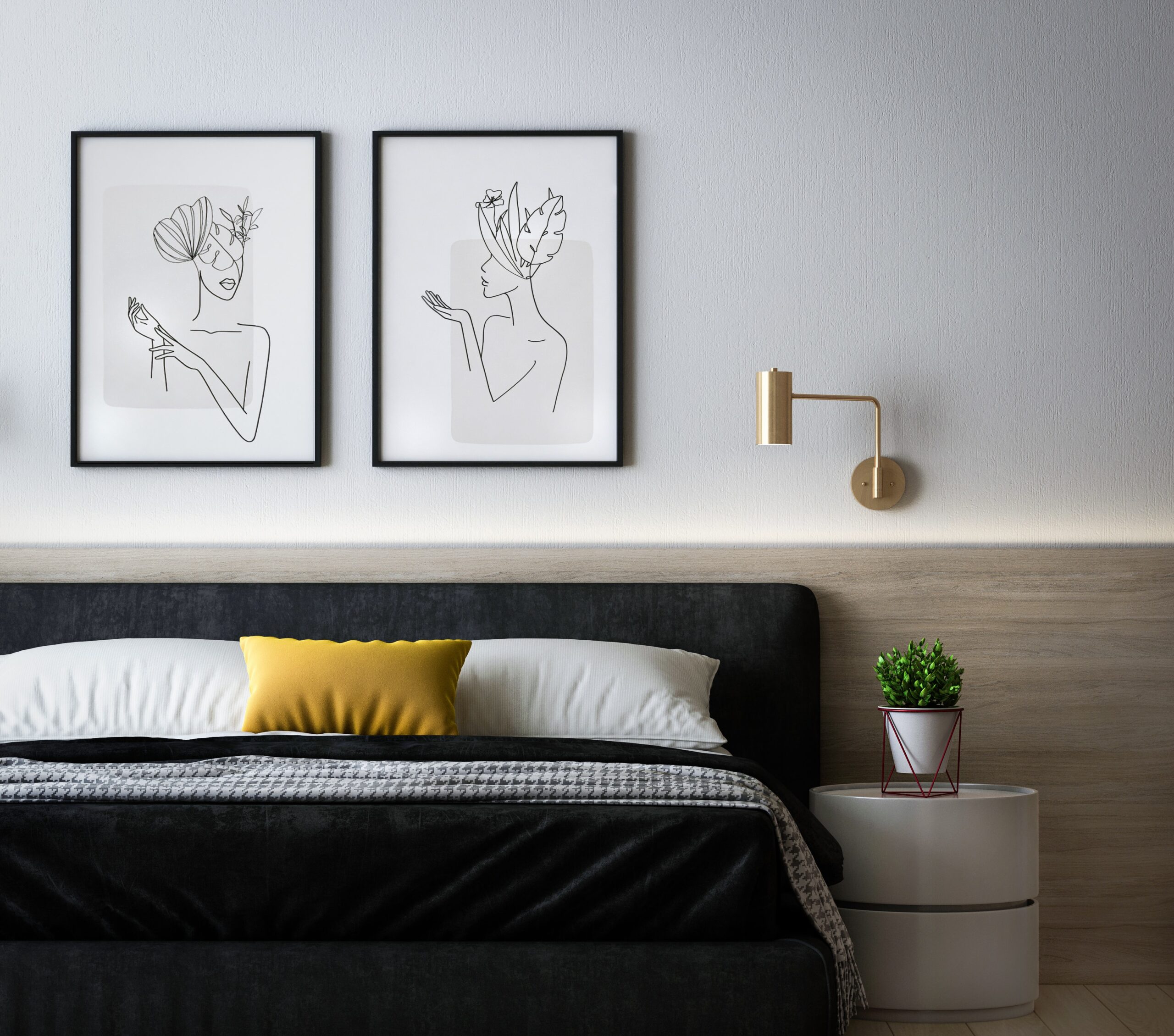
Unify smaller art pieces
It may sound like an odd comparison but if you’re clustering art together, for example in a gallery wall, they need to work as a team. That means it’s fine for them to be individual, in fact, it’s often preferable. At the same time, however, there needs to be something that unifies them. For example, you could stick to a theme, a colour palette or a frame type.
As a rule of thumb, if you want maximum flexibility, then sticking with a standardized frame type is likely to be your best option. That will give a sense of cohesiveness regardless of how much and how often you switch out the art itself. If, however, you’re happy to curate long-term displays then choosing a theme or a colour palette can be very powerful.
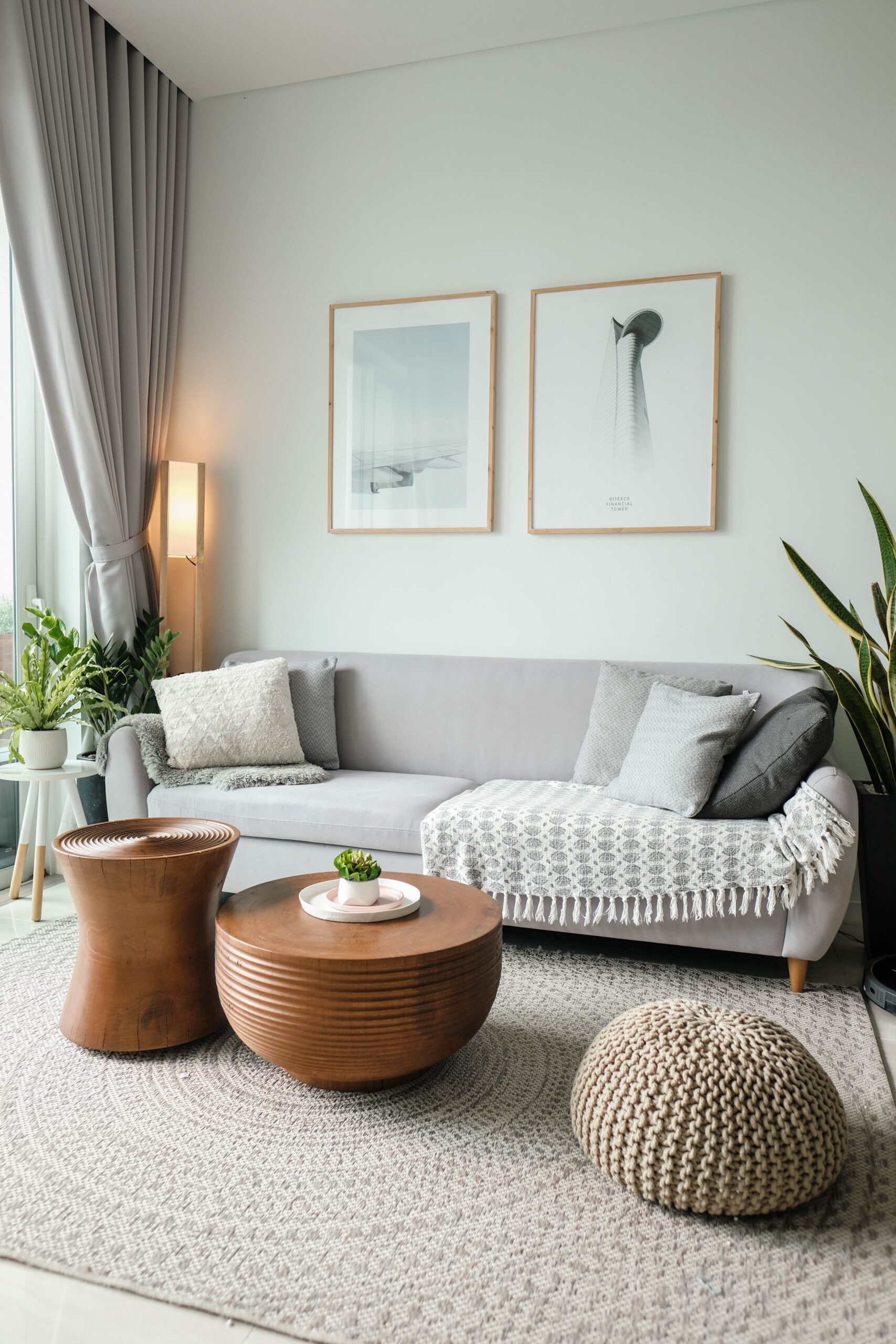
Save some money for your frames
You can have art unframed. Sometimes it works very well but generally, it’s a bad idea. Frames are often the finishing touches to an art piece. They can make an average piece look good and a good piece look great. Great pieces deserve great frames. As you would expect, you can literally get frames in all kinds of shapes and sizes to suit all pictures. There’s literally a style for every taste and situation.
If you’re buying from a website, remember to check the weight as well as the dimensions, particularly if you can’t drill. If you’re buying new from a shop, there’s a good chance the weight will be on the packaging. If you’re buying second hand, you’ll probably have to take your best guess but err on the side of caution.
 Moving house: Stick or twist? Thoughts on brexit & home improvements.
 Trends for a Wavy Slats!
 7 Simple tips to make your rented house a home


Leave a Reply