Keeping the exterior of your home clean is not only important for aesthetic purposes but also for maintaining its longevity. Over time, dirt, grime, mold, and mildew can build up on the exterior surfaces, making them look dull and potentially causing damage. Fortunately, there are various techniques available for cleaning the exterior of your home, from pressure washing to soft washing. In this article, we will explore these techniques in detail, discussing their benefits, differences, and best practices.

Pressure Washing
Pressure washing is a popular and effective method for cleaning the exterior surfaces of your home. It involves using a high-pressure water spray to remove dirt, mould, mildew, and other debris from surfaces such as siding, driveways, decks, and fences. The pressure washer uses a motorized pump to generate high-pressure water, which is then directed through a wand with a nozzle that controls the spray pattern and intensity.
One of the key advantages of pressure washing is its ability to remove built-up dirt and grime quickly and efficiently. The high-pressure water spray can reach deep into the surface pores, effectively cleaning even the toughest stains. Pressure washing is also an eco-friendly option as it typically requires little to no chemicals, relying solely on the power of water.
However, it’s important to use caution when pressure washing, as the high-pressure water can potentially damage certain surfaces. For example, delicate materials such as wood or fragile paint may be susceptible to damage if the pressure is too high. Therefore, it’s crucial to adjust the pressure and nozzle settings according to the surface being cleaned. Additionally, it’s recommended to wear protective gear, such as goggles and gloves, to prevent injury from flying debris.

Soft Washing
Soft washing is a gentler alternative to pressure washing, particularly suitable for more delicate surfaces or those prone to damage from high-pressure water. Instead of relying on sheer force, soft washing utilizes a combination of low-pressure water and specialized cleaning solutions to remove dirt, mold, algae, and other contaminants.
The cleaning solutions used in soft washing are typically biodegradable and environmentally friendly. They are designed to break down and kill organic matter, such as mould and algae, without causing harm to the surface being cleaned. Soft washing is particularly effective for cleaning surfaces such as roofs, awnings, and delicate siding materials like stucco or vinyl.
One of the advantages of soft washing is its ability to provide long-lasting results. The specialized cleaning solutions used in soft washing can penetrate deep into the surface, killing the root of the problem rather than just removing the surface layer of dirt. This helps to prevent regrowth and keeps the exterior surfaces cleaner for a longer period.
When performing a soft washing, it’s important to follow the manufacturer’s instructions for the cleaning solutions and use the appropriate equipment. The low-pressure water spray should be applied evenly, and the cleaning solution should be allowed to dwell on the surface for a sufficient amount of time to effectively break down the contaminants. Afterward, the surface can be rinsed with low-pressure water to remove the residue.

Choosing the Right Technique
Deciding whether to use pressure washing or soft washing depends on several factors, including the type of surface, the severity of the dirt or stains, and the level of delicacy required. Here are some guidelines to help you choose the appropriate technique:
- Surface Type: Pressure washing is generally suitable for surfaces like concrete, brick, and metal, which can withstand high-pressure water. Soft washing, on the other hand, is ideal for more delicate surfaces like roofs, awnings, and siding materials such as stucco or vinyl.
- Severity of Dirt and Stains: If you’re dealing with stubborn stains, heavy mould or mildew growth, or deeply ingrained dirt, pressure washing may be the more effective option. The high-pressure water can penetrate deep into the surface, providing a thorough cleaning. However, for lighter stains or surface maintenance, soft washing can be a gentler and equally effective choice.
- Delicacy Required: If you’re concerned about potential damage to the surface being cleaned, or if you’re dealing with fragile materials like wood or delicate paint, soft washing is the safer choice. The low-pressure water and specialized cleaning solutions provide a gentle yet effective cleaning process without risking damage.
- Environmental Considerations: If you prefer an eco-friendly approach, both pressure washing and soft washing can be environmentally friendly options. Pressure washing relies solely on the power of water, while soft washing uses biodegradable cleaning solutions. However, it’s important to ensure that any cleaning solutions used are safe for the environment and follow proper disposal guidelines.
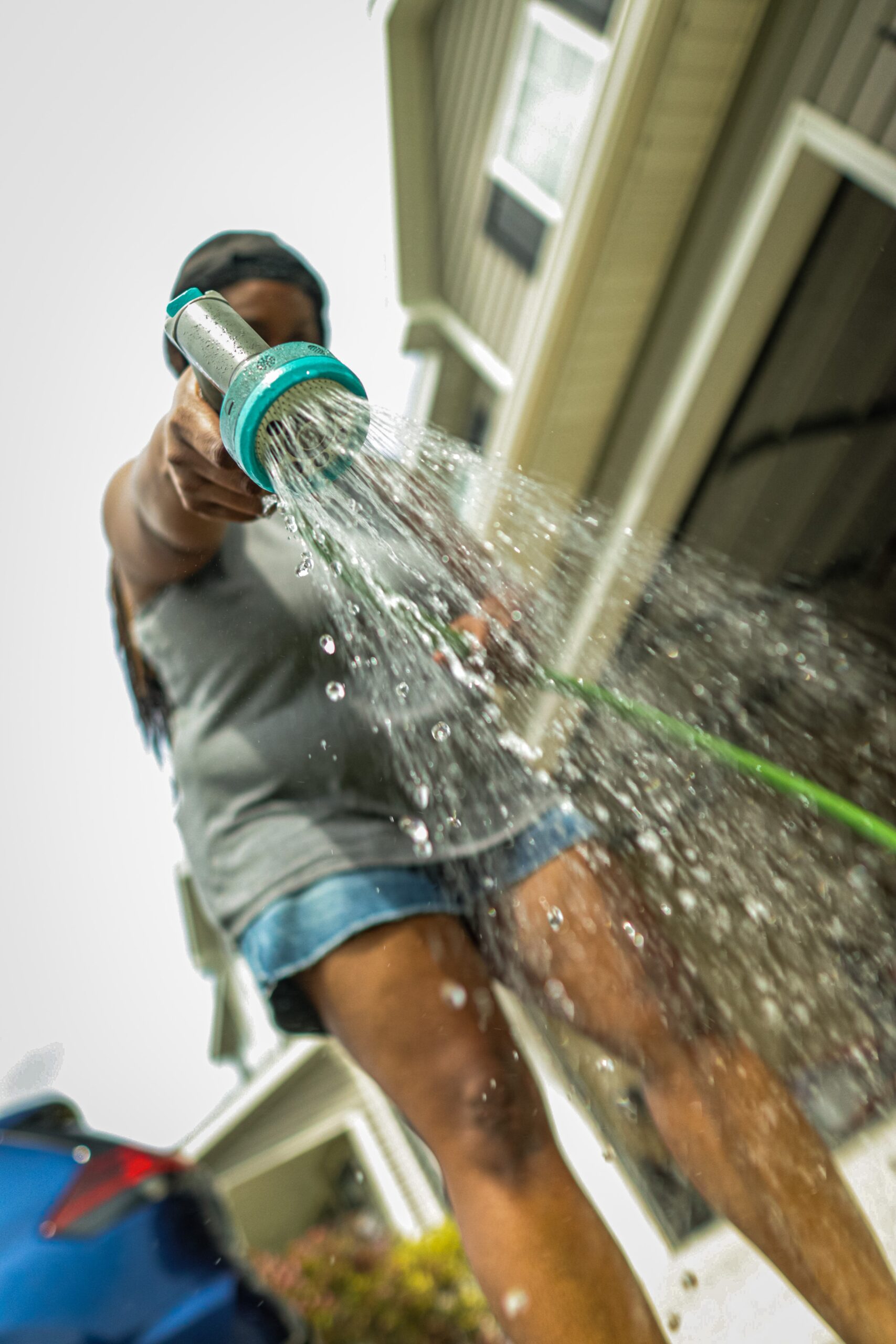
Best Practices for Exterior Cleaning
Regardless of whether you choose pressure washing or soft washing, there are some general best practices to follow for effective and safe exterior cleaning:
- Preparing the Area: Before starting the cleaning process, remove any furniture, decorations, or obstacles from the area to be cleaned. Cover nearby plants and delicate surfaces with plastic sheets or tarps to protect them from potential damage.
- Safety Precautions: Wear appropriate protective gear, including goggles, gloves, and non-slip footwear. Avoid wearing loose clothing that can get caught in the equipment. If using a ladder, ensure it is stable and secure.
- Test the Surface: Before applying the full force of pressure washing or soft washing, test a small inconspicuous area to ensure it doesn’t cause damage. Adjust the pressure or cleaning solution concentration accordingly.
- Consistent Pressure: When pressure washing, maintain a consistent distance between the nozzle and the surface to ensure an even cleaning. Avoid getting too close to the surface, as it can cause damage, or too far, as it may not effectively clean the area.
- Proper Technique: When pressure washing or soft washing, work in sections, starting from the top and working your way down. This helps to prevent streaking and ensures a thorough cleaning. Use overlapping strokes to ensure even coverage.
- Rinse Thoroughly: After pressure washing or soft washing, thoroughly rinse the surface with clean water to remove any residue or cleaning solutions. This will help prevent streaking or discolouration.
Consider hiring a professional exterior cleaning company since they will have all the tools and experience necessary for a proper job.
Conclusion
Keeping the exterior of your home clean is essential for maintaining its appearance and longevity. Pressure washing and soft washing are two effective techniques for removing dirt, grime, mold, and mildew from various surfaces. Pressure washing is ideal for tougher stains and surfaces that can withstand high-pressure water, while soft washing is a gentler option for delicate surfaces or those prone to damage.
By following best practices and choosing the appropriate technique, you can ensure a clean and well-maintained exterior for your home. So, whether you opt for pressure washing or soft washing, get ready to enjoy a fresh and revitalized exterior.
 How to Assemble the Perfect Capsule Wardrobe – pink hair outfits.
 The best dog beds, luxury and design items for dogs
 CBraille, a Pop-Up Exhibition not only for blind people!


Leave a Reply