The Timeless Allure of Meadows
Meadows, with their expanse of green and flurry of activities, have remained a consistent favourite across generations. They encapsulate nature’s wonders and childhood fantasies. Every blade of grass and every fluttering butterfly has tales to narrate – tales that intrigue both young minds and old souls.
Escaping the Digital Maze with Nature’s Best
Modern children are often entrapped in a digital labyrinth. Computers, tablets, smartphones; the list goes on. While these devices have their merits, they tend to overshadow the tactile and organic experiences Outdoor Toys offer. Sandcastles, makeshift tents, or even a game of hopscotch provide a multi-sensory experience that screens can’t replicate.
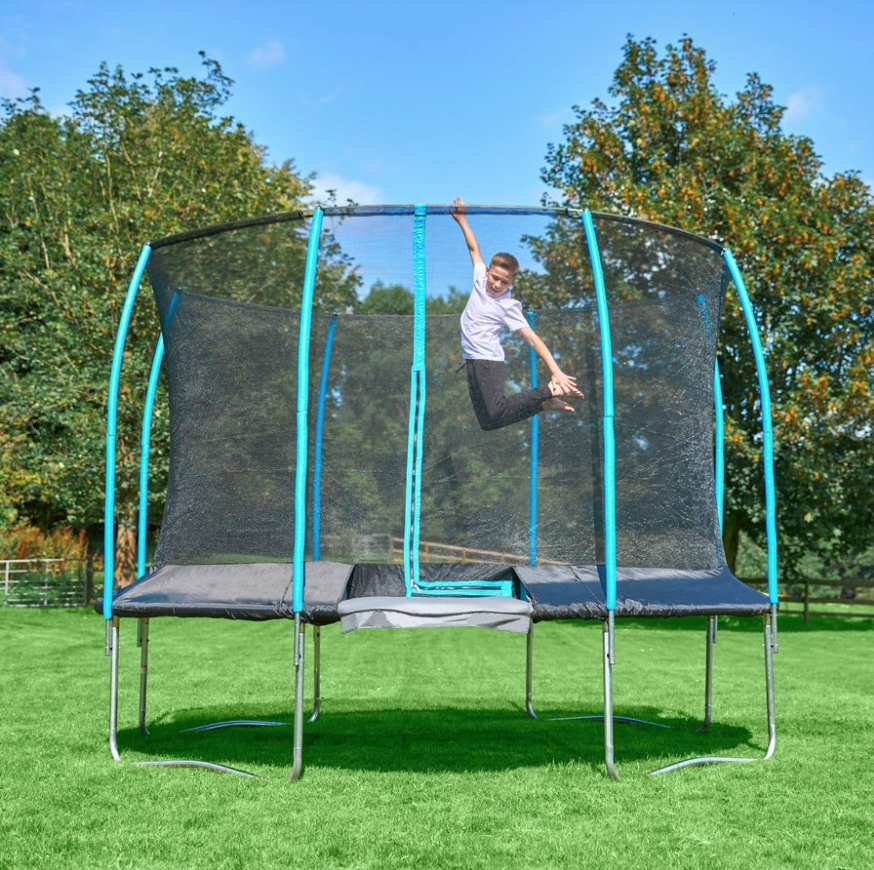
Physical Development: Beyond Just Calories Burned
Think about the sheer range of movements in an open meadow. From running to climbing, from leaping off Trampolines to dancing freely, each activity tests and enhances different muscles. Beyond mere physical fitness, these activities lay down the foundation for better posture, balance, and even bone health.
Meadows: The Imaginative Powerhouses
Spaces dictate imagination. The unrestricted nature of meadows enables children to dream beyond boundaries. They’re not just running; they’re galloping unicorns. They’re not merely shouting; they’re calling out to their band of pirates. Meadows are where children can be directors of their own grand tales.
Learning the Intricacies of Social Dynamics
Meadows are often community spots where children from various backgrounds converge. This mix offers them a crash course in diversity and social understanding. Sharing, waiting for one’s turn, or even orchestrating a group game like ‘capture the flag’ provides implicit lessons in leadership, teamwork, and negotiation.
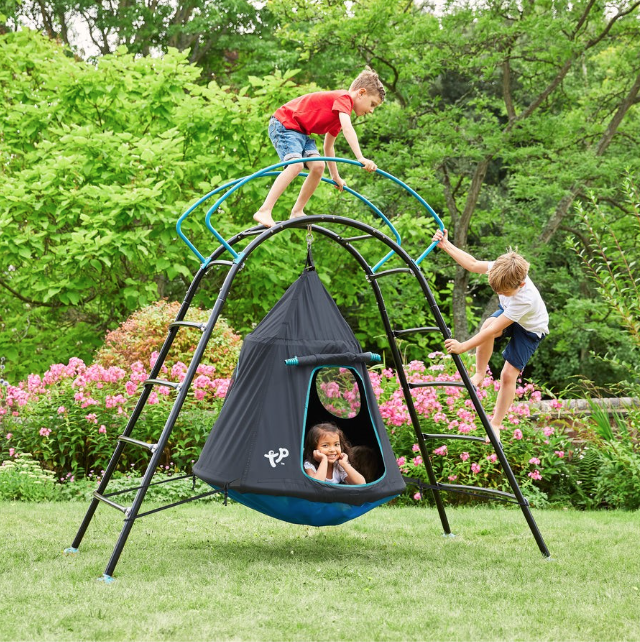
Sensory Exploration at Its Finest
Different textures of grass, the sounds of nature, the colours of the flora, or the taste of fresh fruits (think of those berry-picking excursions!) — meadows are a sensory delight. Such explorations can be especially beneficial for children with sensory processing challenges, offering them a safe space to explore and adapt.
A Lesson in Environmental Responsibility
Children who play in natural environments develop an innate connection to nature. They are more likely to grow into environmentally conscious adults, understanding the importance of conservation and sustainable living. Each worm they observe every tree they climb, teaches them the interconnectedness of life.
Mental Health and Open Spaces
Recent studies have pointed towards the therapeutic effects of nature. The green meadows, the open skies, the fresh air – they all play a role in reducing anxiety and promoting feelings of well-being. For children, especially in turbulent times, meadows can be their sanctuaries, places where they can declutter their minds and rejuvenate their spirits.
The Role of Structured and Unstructured Play
While organised sports and activities have their place, the charm of meadows lies in their allowance for unstructured play. Here, children set the rules, break them, and then make new ones. This spontaneous mode of play is pivotal for cognitive flexibility and problem-solving skills.
Conclusion: Nature’s Gift in Nurturing Wholesome Growth
To sum it all up, meadows are nature’s playgrounds, classrooms, and sanctuaries rolled into one. In their embrace, children find avenues for growth, creativity, and well-being. As the world becomes increasingly urbanised, it’s these patches of green that stand as silent guardians of childhood, beckoning every child to explore, learn, and flourish.
 Haute couture fabrics: a matter entirely ‘made in Italy’
 5 Bedroom interior tips that most people forget about
 All about Pastel Pink hair and best products to dye at home.


Leave a Reply