As every renter knows, you pay a deposit when moving into your home. If all goes well, the landlord will return your deposit once the lease is over. The keyword doing a lot of lifting in that sentence is “if”. You may think everything is fine, yet landlords are known to look for any opportunity to retain your tenancy deposit.
Sadly, the laws aren’t really in your favour and most landlords know this. They usually look for these three things as a way of holding onto your money when you leave:
Smoke Damage
Your tenancy agreement will almost certainly include a line about smoking in the home. Landlords hate this – and to be fair, you can see why. Even if they don’t mention it outwardly, it’s on you to check the agreement as it’ll likely be in there.

So, if they find signs of smoke damage on their property, they’ll reclaim your deposit. The obvious way to avoid this is to not smoke indoors or near the property. Those of you who may smoke might want to consider switching to vapes with a range of e-liquids instead. These can be used indoors as the vapour from them won’t harm the property or lead to stains. Regardless, don’t smoke indoors are it will almost always lead to your deposit being seized.
Mould
Likewise, if you’re renting a home, it’s your responsibility to prevent mould from forming. Well, it’s not actually as simple as that. If mould exists when you move in or it forms because of issues with windows or the property’s structure, you can argue it’s not your fault. Especially if you flagged it up with the landlord in the past and they did nothing about it.
However, if the property didn’t have mould before you moved in, but there are now clear signs on the ceilings or between tiles in the bathroom, you could be charged for its removal. This will likely come out of your deposit. Be sure to clean your bathroom after showering, invest in a dehumidifier and regularly open the windows. Also, take photos when you move in if you spot mould so you can prove it was there before you!

Signs of Pets
This will also depend on the terms of your tenancy agreement. Some landlords don’t allow pets while others do. New rules have been introduced to stop landlords from flat-out denying this – they can only stop you from having pets under fair terms. It’s complicated, but if your landlord says you can’t have pets, yet you’ve brought pets into your home, you might be in trouble.
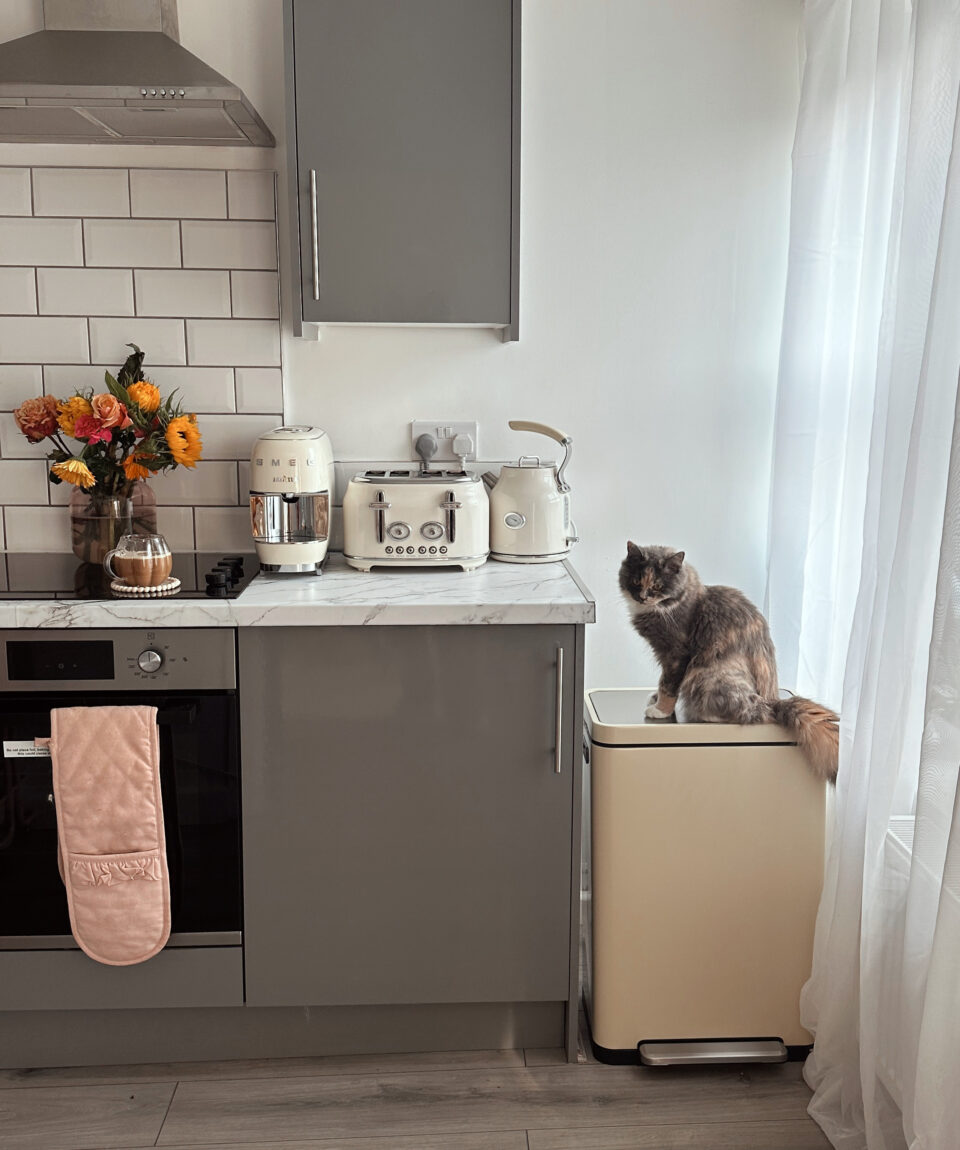
Even if friends or family members bring their pets in, this can cause problems as they may leave notable signs in the home. This includes pet fur, the smell of pets, etc. Landlords can seize your deposit if they spot the signs of pets as they can claim you went against the terms of your agreement.
It sucks when your landlord tries to take your deposit, but there often isn’t much you can do about it. The golden rule is simple; follow the tenancy agreement’s terms and conditions while keeping the home clean. If the property is in the same condition as when you moved in – and you didn’t violate any terms – there’s nothing the landlord can do. You’ll retain the full deposit, which feels like getting a nice little Christmas bonus!
 Smart Ways to Dress Up Your Windows
 Budget-Friendly Concepts for Rented Homes and Homeowners
 Do you have limited / no cooking skills and dream about a new refrigerator?? Well, this note is for you then!


Leave a Reply